

If SEO is a puzzle, keywords are the pieces—and related keywords? They’re the pieces that make everything fit together. In 2026, finding related keywords isn’t just a nice-to-have; it’s essential for content relevance, semantic search optimization, and better conversions.
Why? Because Google and other search engines no longer just match exact words—they understand context, intent, and topic authority. That means your content can rank higher when it naturally covers related terms and concepts.
Here’s how ONEWEBX helps businesses discover related keywords that supercharge blog posts, webpages, and SEO strategy.
1. Start with Your Core Topic
Before you go hunting for related keywords, define the core topic of your page. Ask yourself:
- What problem does this content solve?
- What is my target audience searching for?
- Which primary keyword signals strong user intent?
Once your core keyword is clear, you’re ready to expand semantically.
2. Use Modern SEO Tools
Gone are the days of Alexa for keyword research. Today, AI-powered and comprehensive SEO tools make finding related keywords smarter and faster:
- SEMrush / Ahrefs: Discover “related keywords” and “keyword variations” with search volume, difficulty, and CPC data
- SurferSEO / MarketMuse: Identify semantic keywords and content gaps to strengthen topic authority
- Moz Keyword Explorer: See keyword suggestions based on intent and topical relevance
- AnswerThePublic: Uncover common questions and conversational phrases
Pro tip: Look for keywords with steady search volume and relevance, not just trending phrases that vanish in weeks.
3. Leverage AI for Semantic Keyword Clusters
AI tools like ChatGPT, Jasper, or Frase can generate clusters of related keywords that:
- Cover multiple variations of a topic
- Include long-tail queries that capture buyer intent
- Suggest FAQ or content section ideas
For example, a blog post about “digital marketing for small businesses” could naturally include:
- “AI marketing tools for small business”
- “social media strategy tips”
- “content automation tools 2026”
This creates content that’s both comprehensive for readers and semantically rich for search engines.
4. Analyze Competitor Content
A modern approach is to see what works for competitors:
- Use Ahrefs or SEMrush Content Explorer to find high-ranking pages
- Identify related keywords they cover that your content may have missed
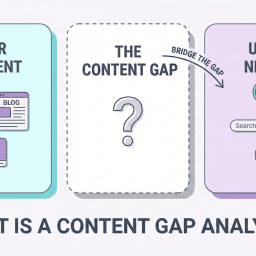
- Spot content gaps for unique angles
Pro tip: Don’t copy—improve and differentiate. Offer more depth, AI-driven insights, or actionable resources.
5. Match Keywords to Search Intent
Related keywords are only useful if they align with what users are actually trying to accomplish. Break it down:
- Informational: “What is content marketing automation?” → Blog post or guide
- Navigational: “ONEWEBX AI marketing platform” → Product or service page
- Transactional / Buying: “Hire web marketing consultant” → Landing page
Matching intent ensures related keywords drive engagement and conversions, not just traffic.
6. Organize Keywords Into a Content Plan
Once you’ve gathered related keywords:
- Group them by topic clusters or content pillars
- Assign them to blog posts, landing pages, FAQs, or video scripts
- Use Notion, Trello, or Airtable to track which keywords are targeted where
Pro tip: AI tools can even generate content outlines with related keyword placement, saving hours of planning.
7. Monitor and Refresh
Related keywords aren’t static. Search trends evolve, AI-driven SERPs shift, and competitors adapt.
- Track ranking changes using GA4, SEMrush, or Ahrefs
- Update content with new semantic keywords or long-tail phrases
- Refresh internal links to maintain authority across your site