
Somewhere along the way, it got associated with awkward phrasing, robotic content, and tactics that technically worked… until they didn’t. Today’s SEO reality is very different.
Modern keyword optimization is about clarity, context, and intent—not repetition. Search engines are smarter, users are pickier, and AI-powered results reward content that’s genuinely helpful.
This cheat sheet cuts through the noise and shows you how keyword optimization actually works now.
Why Keyword Optimization Looks Different Today
Search engines now prioritize:
- Semantic meaning over exact matches
- User intent over keyword density
- Experience, accessibility, and performance
- Trust signals and content depth
- AI-generated summaries and answer selection
In other words:
Write for humans. Optimize for understanding.
The Modern Keyword Optimization Cheat Sheet
1. Start With Intent, Not Volume
Before choosing a keyword, ask:
- What is the searcher trying to do?
- Learn?
- Compare?
- Buy?
High-intent keywords with lower volume often outperform high-volume vanity terms.
2. Use the Right Research Tools
Forget outdated metrics.
Modern SEO relies on tools like:
- Semrush
- Ahrefs
- Moz
- Google Search Console
- SurferSEO
Use them to uncover intent patterns—not just rankings.
3. One Primary Keyword Per Page
Each page should:
- Focus on one main topic
- Support it with semantic variations
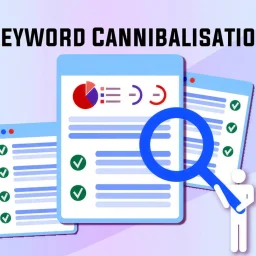
- Avoid keyword cannibalization
Clear focus = clearer rankings.
4. Optimize for Semantic Keywords
Search engines read meaning, not just words.
Include:
- Synonyms
- Related concepts
- Natural language phrases
This improves visibility in AI-powered search results.
5. Place Keywords Where They Actually Matter
Strategic placement beats repetition.
Focus on:
- Page titles (naturally written)
- Meta descriptions (for humans, not bots)
- Headings (H1–H3)
- First 100 words
- Image alt text
- Internal link anchor text
If it feels forced—it is.
6. Write for Featured Snippets and AI Answers
Clear structure wins.
Use:
- Direct answers
- Bullet points
- Numbered lists
- Simple definitions
This helps your content surface in snippets and AI summaries.
7. Performance Is Part of Optimization
Keywords won’t save a slow page.
Optimize:
- Page speed
- Mobile usability
- Core Web Vitals
- Image formats (WebP or AVIF)
Better UX = better SEO.
8. Accessibility Improves Keyword Clarity
Accessible content is easier for search engines to understand.
Use:
- Proper heading hierarchy
- Descriptive alt text
- Clear, readable language
- Logical content flow
Accessibility is SEO’s quiet advantage.
9. Refresh, Don’t Rewrite
Keyword performance changes.
Regularly:
- Update content
- Expand sections
- Refine headings
- Improve clarity
AI tools help identify what to refresh—but humans decide how.
10. Avoid These Keyword Optimization Mistakes
Keyword stuffing
Writing for algorithms
Targeting the same keyword across multiple pages
Ignoring UX and readability
Letting AI write without human refinement
Smart optimization is subtle.
Keyword Optimization Is a UX Decision
At ONEWEBX, we treat keywords as navigation tools, not ranking tricks.
The best keyword strategies:
- Guide users through content
- Match expectations
- Reduce friction
- Build trust
SEO isn’t about visibility alone—it’s about connection.