
You know the drill: your audience lands on your blog expecting answers—not yawns. But in an era of TikTok micro-learning, AI-generated content flooding the SERPs, and rising privacy expectations, writing how-to articles that actually connect and convert isn’t about cranking out keywords anymore. It’s about trust, clarity, and experience.
Here are three modern, practical tips you can start applying today to transform your how-to articles from dull instructions into magnetic trust-builders that fuel brand authority and business growth.
1. Start With Intent (Not Keywords)
The searcher’s problem always wins.
Gone are the days when simply sprinkling in a keyword like “how to grow email list” could guarantee traffic. Now? Google and modern search engines (including AI-driven SERPs and answer panels) are all about intent — what is your reader trying to solve right now?
How to do this:
- Use tools like SurferSEO, Semrush, Ahrefs, or Google’s own Search Console to identify user intent patterns.
- Look at “People also ask” and related searches.
- Analyze whether the intent is informational, transactional, or navigational — and tailor the format accordingly.
For example: if the search intent is “step-by-step guide,” your article should start by reassuring the reader with a clear roadmap of what they’ll learn — then deliver it in a highly scannable structure.
Tip: Think of intent as your editorial compass — it keeps content relevant and useful in a world where attention spans are measured in swipes.
2. Write for Humans First — and AI Second
Because real people should feel understood before algorithms decide your fate.
We’re in the age of smart assistants, AI summarizers, and LLM-powered search features. So yes, you want to be optimized for AI. But if your writing feels robotic, verbose, or bland, your readers will bounce — fast.
What works in 2026:
Human tone that feels like a friendly teacher
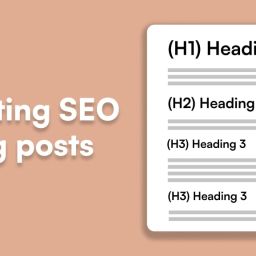
Bite-sized sections with clear headers
Real examples, not vague platitudes
Accessibility features (alt text, descriptive links, clear language)
Snappy intro + scannable bullets and steps
Pro tip: Use AI as a brainstorming and editing partner — not a replacement for your voice.
Try tools like:
- Jasper or Writesonic for structure + outline generation
- Grammarly or Wordtune for human-centric clarity
- Canva AI for visuals and diagrams
- SurferSEO for topical optimization guides
The goal is a content creation workflow where AI accelerates you — but doesn’t own your brand voice.
3. Build Trust Through Transparency, Social Proof & UX
Trust isn’t earned when someone reads one paragraph — it’s earned across the user journey.
Here’s how to reinforce trust, clarity, and authority throughout your how-to content:
Be Transparent
People care about privacy and credibility. Explicitly note where data comes from. Cite studies. Use firsthand examples.
Use Authentic Visuals
Screenshots, diagrams, short explainer videos — these help users see the steps, not just read them.
Here’s a great video you can embed to enrich user experience and boost time-on-page:
Video Suggestion:
“How to Write a How-To Guide That Works in 2026” — YouTube (embed this with an eye-catching thumbnail)
(If you want help selecting the best video for your topic, tell me your niche and I can pull a perfect embed link.)
Add Social Proof
Testimonials, case studies, quotes, and real user success stories make your how-to tips feel proven, not theoretical.
Boost UX with Accessibility + Reading Ease
- Use descriptive alt text
- Provide keyboard-friendly navigation
- Offer a print-friendly layout
- Include short paragraphs and clear headings
- Add definition tooltips for jargon
These aren’t just niceties — they’re ranking factors and trust signals in search engines and to readers with diverse needs.
Why Modern How-To Articles Are Your Secret Brand Weapon
Today’s web users are smarter, savvier, and more impatient than ever. They don’t just want answers — they want answers they trust, quickly and without fluff. When your how-tos hit that sweet spot of expertise, clarity, and human connection, they don’t just educate — they convert:
Increased dwell time
Higher search rankings (for real intent)
More conversions and shares
Stronger brand authority
And that? That’s how your ONEWEBX content becomes not just useful, but unforgettable.