

In a digital ecosystem shaped by AI-powered search results, rising ad costs, privacy restrictions, and zero-click SERPs, the right answer depends on your goals, timeline, and business model.
At ONEWEBX, we help brands stop debating and start designing smart search strategies that actually drive revenue. Let’s break it down.
First, Let’s Define the Terms (Clearly)
What Is SEO?
Search Engine Optimization (SEO) focuses on earning visibility organically in search results.
SEO today includes:
- Technical site optimization
- Content strategy and topical authority
- UX and Core Web Vitals
- Backlink quality and digital PR
- EEAT (Experience, Expertise, Authority, Trust)
SEO is about long-term equity.
What Is SEM?
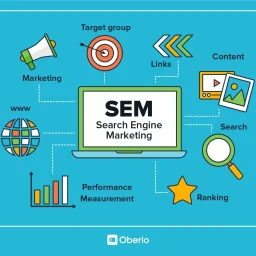
Search Engine Marketing (SEM) refers to paid visibility in search engines — primarily through PPC ads.
SEM includes:
- Google Ads
- Microsoft Ads (Bing)
- Shopping and Performance Max campaigns
SEM is about immediate visibility and control.
What’s Changed: Search Is Now AI-Driven
Search engines no longer just rank pages — they interpret intent.
AI influences:
- Query understanding
- SERP layouts
- Featured snippets
- AI summaries and answers
- Ad placement and bidding
This means SEO and SEM now influence each other more than ever.
If your website experience is weak, both suffer.
SEO: The Long Game (Still Worth Playing)
When SEO Makes Sense
SEO is ideal if:
- You want sustainable traffic growth
- You’re building brand authority
- You have content depth
- You want lower cost per acquisition long-term
Modern SEO Priorities
SEO today is less about keywords and more about:
- Search intent
- Topic clusters
- Helpful, human-first content
- Technical performance
- Accessibility and usability
Tools like Google Search Console, Ahrefs, SEMrush, and Screaming Frog help measure what actually matters — not vanity rankings.
SEO Pros & Cons
Pros
Builds trust and authority
Compounds over time
Supports every other channel
Cons
Takes time
Requires consistency
Results aren’t instant
SEO is an investment, not a switch.
SEM: Speed, Precision, and Control
When SEM Makes Sense
SEM is ideal if:
- You need immediate leads or sales
- You’re launching a new product or service
- You want testing data fast
- You have a defined budget and offer
Modern SEM Reality
Today’s paid search relies heavily on:
- AI bidding strategies
- Conversion tracking accuracy
- Landing page UX
- First-party data signals
Paid search doesn’t work without strong post-click experience.
SEM Pros & Cons
Pros
Instant visibility
Highly measurable
Scalable with budget
Cons
Costs rise quickly
Stops when spending stops
Poor UX kills ROI
SEM is powerful — but unforgiving.
SEO vs. SEM: A Side-by-Side Snapshot
| Factor | SEO | SEM |
|---|---|---|
| Speed | Slow burn | Immediate |
| Cost Structure | Time + resources | Pay per click |
| Longevity | Long-term | Short-term |
| Trust | High | Moderate |
| Scalability | Organic | Budget-dependent |
The Real Answer: You Usually Need Both
Here’s the ONEWEBX take:
SEO builds the foundation.
SEM accelerates momentum.
Together, they:
- Dominate more SERP real estate
- Validate keyword intent
- Improve conversion insights
- Reduce long-term acquisition costs
The strongest brands don’t choose — they orchestrate.
How AI Changes the SEO vs. SEM Decision
AI helps brands:
- Predict keyword performance
- Optimize content faster
- Personalize landing pages
- Allocate budget dynamically
- Identify gaps and opportunities
But AI can’t fix:
- Weak messaging
- Poor UX
- Confusing offers
That’s still human work.
What We Recommend at ONEWEBX
For most businesses:
- Short-term: Use SEM to generate immediate data and revenue
- Mid-term: Build SEO around proven search intent
- Long-term: Reduce reliance on paid traffic through authority and experience