
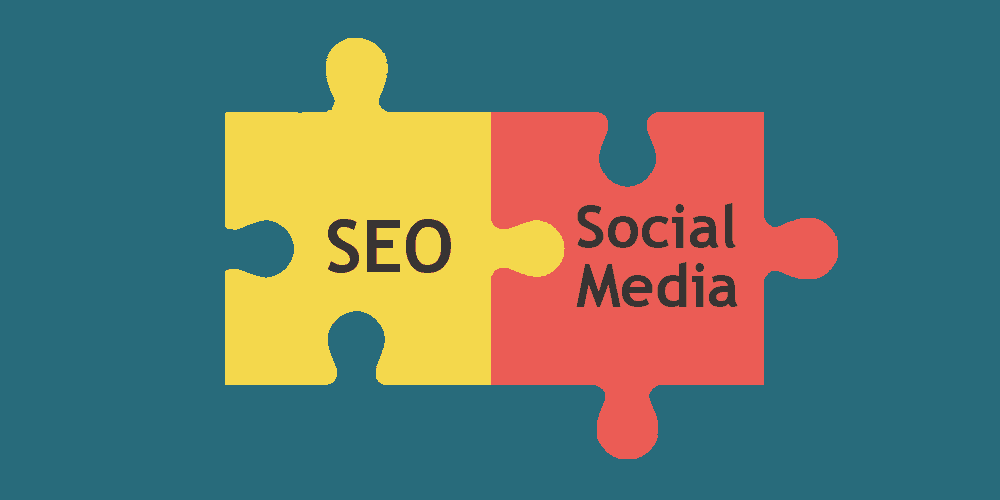
In 2026, search, social, and content aren’t competing channels—they’re part of the same discovery ecosystem. Treating them like separate silos is one of the biggest reasons businesses struggle to gain traction online.
Let’s reset the conversation.
The Old Debate That Won’t Die
Technically? Not in the old, checkbox sense.
Strategically? Absolutely—just not the way you think.
Search engines don’t count likes as backlinks. But they do reward the behaviors that strong social strategies create.
And that’s where most people miss the point.
How Discovery Actually Works in 2026
People no longer “just Google things.”
They:
- Discover brands on Instagram, LinkedIn, TikTok, and YouTube
- Validate credibility through search
- Ask AI-powered tools for recommendations
- Click when something feels familiar and trustworthy
Search is now confirmation, not always first contact.
If your brand doesn’t exist socially, your SEO performance quietly suffers—even if your rankings look fine on paper.
Social Media’s Real Role in Modern SEO
Social media doesn’t replace SEO.
It feeds it.
Here’s how.
1. Social Platforms Are Search Engines Now
Users actively search on:
- YouTube (the second-largest search engine)
- TikTok (especially for local and product discovery)
- LinkedIn (for B2B validation)
Optimized social content increases:
- Brand visibility
- Content lifespan
- Query alignment across platforms
SEO thinking now applies far beyond Google.
2. Social Content Drives Engagement Signals
While not direct ranking factors, social-driven behaviors matter:
- Branded searches increase
- Repeat visits grow
- Time on site improves
- Bounce rates drop
These are quality signals search engines absolutely notice.
3. Social Distribution Fuels Content Authority
Great content doesn’t rank because it exists—it ranks because it’s:
- Read
- Shared
- Referenced
- Linked to
Social media accelerates this process by:
- Putting content in front of the right people
- Increasing chances of backlinks
- Extending content reach beyond initial publication
Visibility precedes authority.
Where Brands Still Go Wrong
Most businesses treat social and SEO like roommates who don’t talk.
Common mistakes:
- Posting content socially with no SEO intent
- Writing SEO blogs that never get promoted
- Ignoring search optimization on social profiles
- Measuring success in vanity metrics
- Forgetting UX once users actually click
This disconnection kills momentum.
The Right Way to Think About Social + SEO
Here’s the mindset shift ONEWEBX uses.
Start With Questions, Not Keywords
Modern SEO begins with real human questions.
AI-driven tools like Google Search Console, SEMrush, Ahrefs, and intent analysis platforms reveal what people are actually trying to solve—not just what they type.
Those questions should shape:
- Blog topics
- Video scripts
- Social captions
- On-site messaging
One insight. Multiple formats.
Design Content for Cross-Channel Discovery
Your content should be:
- Searchable
- Shareable
- Scannable
- Accessible
That means:
- Clear headings
- Strong visuals
- Alt text and captions
- Mobile-first UX
Good SEO content feels at home on social—and vice versa.
Use Social to Test What SEO Should Scale
Social media is a real-time feedback loop.
High-performing social topics often:
- Become blog posts
- Inform landing page copy
- Shape FAQ sections
- Inspire long-form guides
Let social engagement guide your SEO priorities.
AI Changed the Relationship Between Social and Search
AI-powered search now pulls signals from across the web:
- Brand mentions
- Content consistency
- Topical authority
- User behavior patterns
Meanwhile, AI tools help brands:
- Repurpose content intelligently
- Optimize headlines and descriptions
- Analyze audience response
- Identify emerging trends faster
The brands winning aren’t louder—they’re more aligned.
UX Is the Glue That Holds It Together
Traffic is pointless without experience.
If social sends users to a site that:
- Loads slowly
- Feels generic
- Isn’t accessible
- Doesn’t guide next steps
SEO gains collapse instantly.
UX isn’t separate from SEO or social—it’s the conversion layer.
Why This Matters for Businesses
When SEO and social work together:
- Brand trust increases
- Discovery accelerates
- Content ROI improves
- Conversion paths become clearer
You stop chasing algorithms—and start building momentum.
How ONEWEBX Brings It All Together
At ONEWEBX, we don’t “do SEO” or “manage social.”
We design connected digital ecosystems.
Our strategy blends:
- SEO built around intent, not rankings
- Social content designed for discovery
- UX/UI optimized for real users
- AI-powered analytics and optimization
- Accessibility-first design standards
The result? Visibility that turns into action.